
Why Choose a Solar-Powered Carport? ☀️🚗
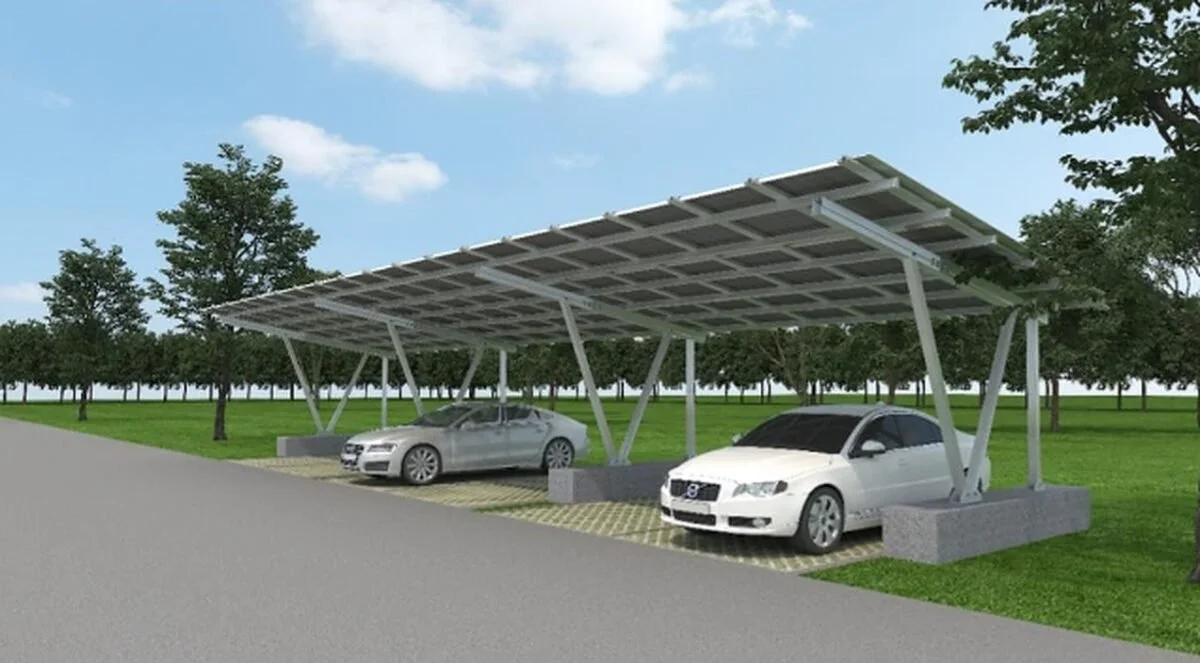
Solar carports turn ordinary parking spaces into energy-generating assets. A solar carport (also called a solar car port / carport PV / photovoltaic carport) is essentially a canopy over car parking spaces with PV panels mounted on top. Cars park underneath, while the panels produce electricity.
Benefits:
Dual functionality — You get shaded, weather-protected parking and solar power generation.
Reduced energy costs & increased onsite generation — Electricity from the carport can power buildings, be stored in batteries, or even directly charge EVs via charging-points.
Sustainability & corporate / home green credentials — A visible demonstration of commitment to renewables and environmental responsibility.
Good use of space — Especially for commercial sites or homes with little roof area, a solar carport utilises space that would otherwise be underused.
Flexibility — The electricity generated can feed home/business consumption, EV chargers, lighting, or storage batteries, depending on needs.
What Does a Solar Carport Look Like & How It’s Built
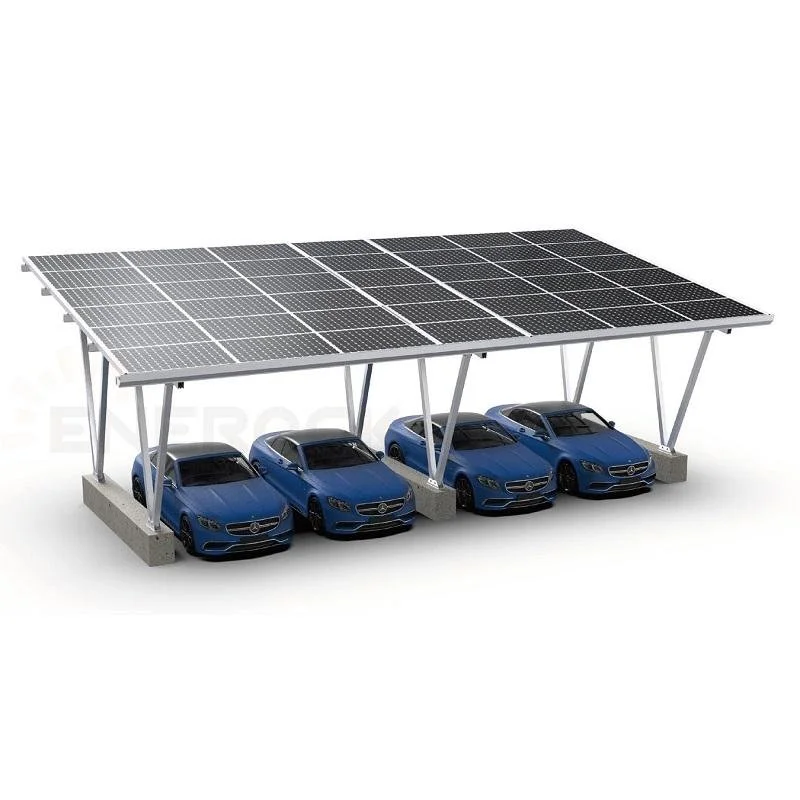
A solar carport typically includes:
A robust steel or aluminium frame (or wood in some residential designs) forms the canopy or roof above parking spaces.
Photovoltaic (PV) panels mounted on the canopy roof — often high-efficiency modules for best energy yield.
Electrical wiring, inverter (or connection to site electricity), and optional extras such as EV chargers, battery storage, and lighting for the parking area.
Optionally, modules can be scaled: you might start with a small carport and expand later, depending on energy needs and parking space.
You can integrate EV charging later or from the start. A solar carport plus EV chargers lets employees or residents use generated solar electricity to top up vehicles — a strong sustainability use case.
Cost of Solar-Powered Carports in 2025
Costs vary depending on size, materials, capacity, and features (e.g. EV charging, battery storage). But here’s what market data shows:
*These estimates include structure, PV panels, and installation (excluding optional extras like storage battery or EV chargers). Final price depends on number of parking bays, panel size/efficiency, groundworks, and local installation conditions.
What influences cost:
Number of parking spaces / size of canopy — more spaces = larger structure, more panels, higher cost.
Panel quality and efficiency (standard vs premium panels).
Inclusion of extras: EV charging infrastructure, battery storage, lighting, monitoring equipment, cabling, inverters.
Groundwork / site preparation: foundations, civil works (especially for large/commercial carports).
Permits / compliance — local regulations, planning permissions, building codes.
Is a Solar Carport Right for You? — Pros & Cons
✅ Advantages
Efficient use of parking space — dual-use for parking and power generation.
Great for homes without suitable roofs or businesses with large parking areas.
Potential for EV charging, energy independence, and reduced electricity bills.
Offers shade and shelter to vehicles, protecting them from the weather.
Demonstrates sustainability — good for corporate responsibility or eco-conscious homeowners.
⚠️ Potential Drawbacks / What to Check
Higher upfront cost than roof-mounted solar (carport structures + panels + installation).
Need enough available outdoor space (parking area) — not all homes/properties are suitable.
Need proper design and structural installation (foundation, wind/weight load, permits).
Return on investment depends heavily on how much generated electricity you use onsite (e.g. EV charging, household load) — exporting surplus may not pay back much.
Maintenance and structural integrity: carport must be robust (steel/aluminium), especially in areas with rain/wind, and PV panels must be installed carefully to avoid leaks / wind damage.
Who Should Consider a Solar Carport?
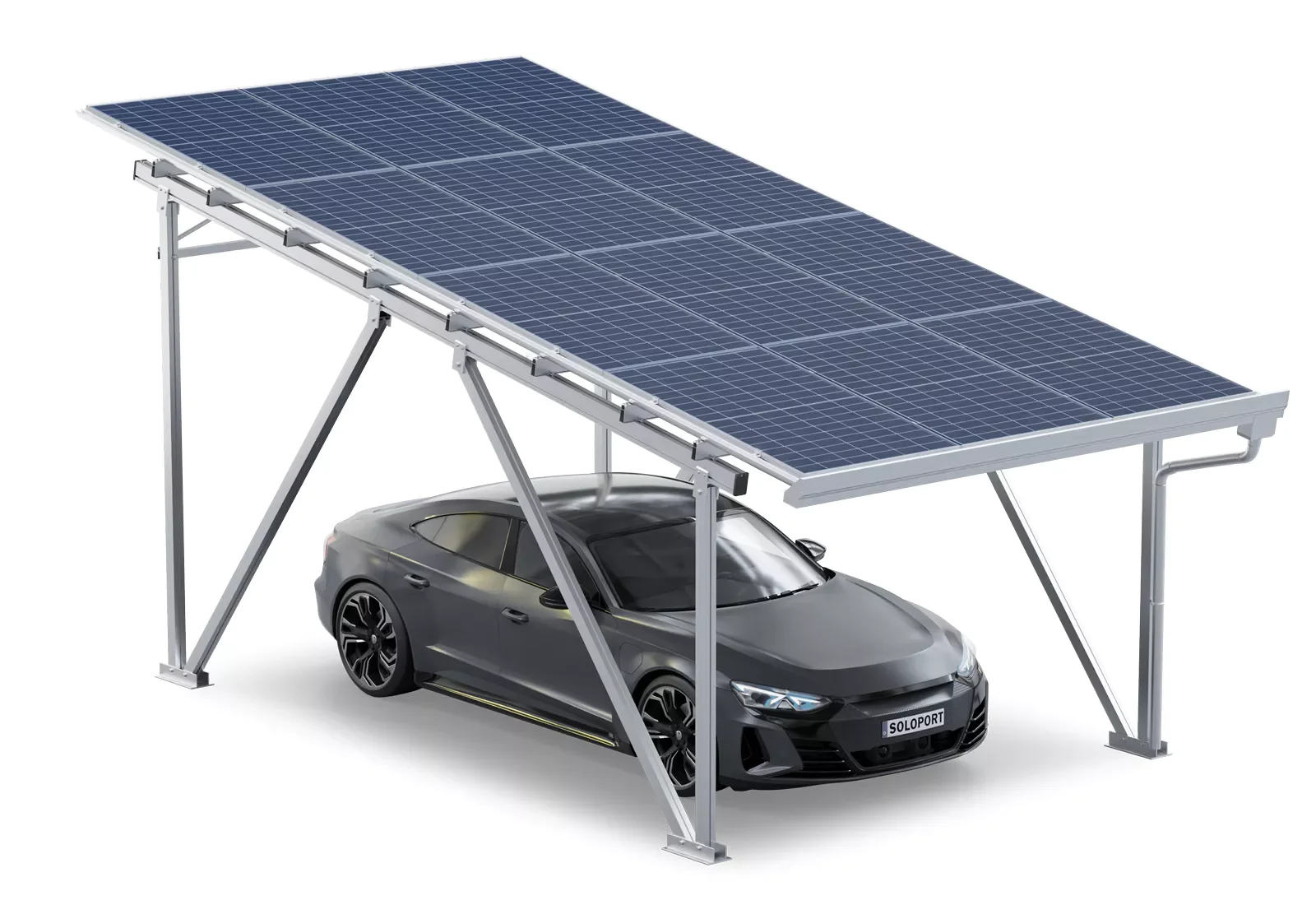
Homeowners with space to park 1-2 cars but no suitable roof for solar panels — this gives you solar PV plus parking coverage.
Businesses / Organisations with large parking lots (staff, visitors, customers) — can transform parking into energy assets + EV-charging hub + sustainable branding.
Property developers, landlords, apartment blocks with common parking — solar carports add value, provide shelter, and offer renewable power for shared use.
Anyone planning EV adoption — pairing solar carport + EV chargers + optional battery storage gives a self-sufficient, low-carbon transport setup.
Key Considerations Before Installing
Before you go ahead, make sure to:
Check your site: Do you have enough space and suitable ground for a robust carport structure?
Assess your electricity needs: If you plan to charge EVs or run a substantial load, size the PV array accordingly.
Think about orientation, shading, and panel tilt — proper design maximises solar yield.
Consider future expansion: start small if needed, but pick a modular / scalable structure if you might expand later.
Calculate payback based on realistic use — power consumption, EV charging, battery storage, export policy.
Conclusion
A solar-powered carport is more than a shelter — it’s a smart way to turn parking into power, adding renewable energy generation, convenience, and sustainability. For many homes and businesses — especially those with parking spaces — it offers a compelling alternative to rooftop solar.
If you’re considering one, now (2025) is a good time, given reasonable cost ranges and mature solar technology. But as with all solar projects, success depends on good design, a realistic use case, and proper installation.

Adam Rajba | Partnergy Founder
Get Your Free Solar Energy Assessment
This free assessment gives you:
✓ Recommended solar system size
✓ SEAI grant eligibility
✓ Estimated installation cost
✓ Expected annual electricity savings
✓ 20-year financial forecast
✓ Roof suitability check & layout draft
👉 Click here to get your free assessment (60-second form). Fast. Accurate. No obligation.