
Solar and Farming: How Irish Farmers Can Cut Costs, Reduce Risk & Increase Energy Independence
Energy costs are one of the biggest and most unpredictable expenses in Irish agriculture. As electricity prices continue rising, more farmers are turning to solar for farm buildings, agricultural solar panels, and solar on farmland as a practical way to protect margins and secure long-term stability.
Farming operations use energy every day — milking, cooling, irrigation, lighting, ventilation, grain drying, workshop tools, and more. Installing farm solar panels gives farmers their own on-site power source, lowering costs and reducing dependency on the grid.
For many farms, the combination of high daytime energy use, large roof space, and strong grant support makes solar and farming one of the most financially beneficial upgrades available in 2025.
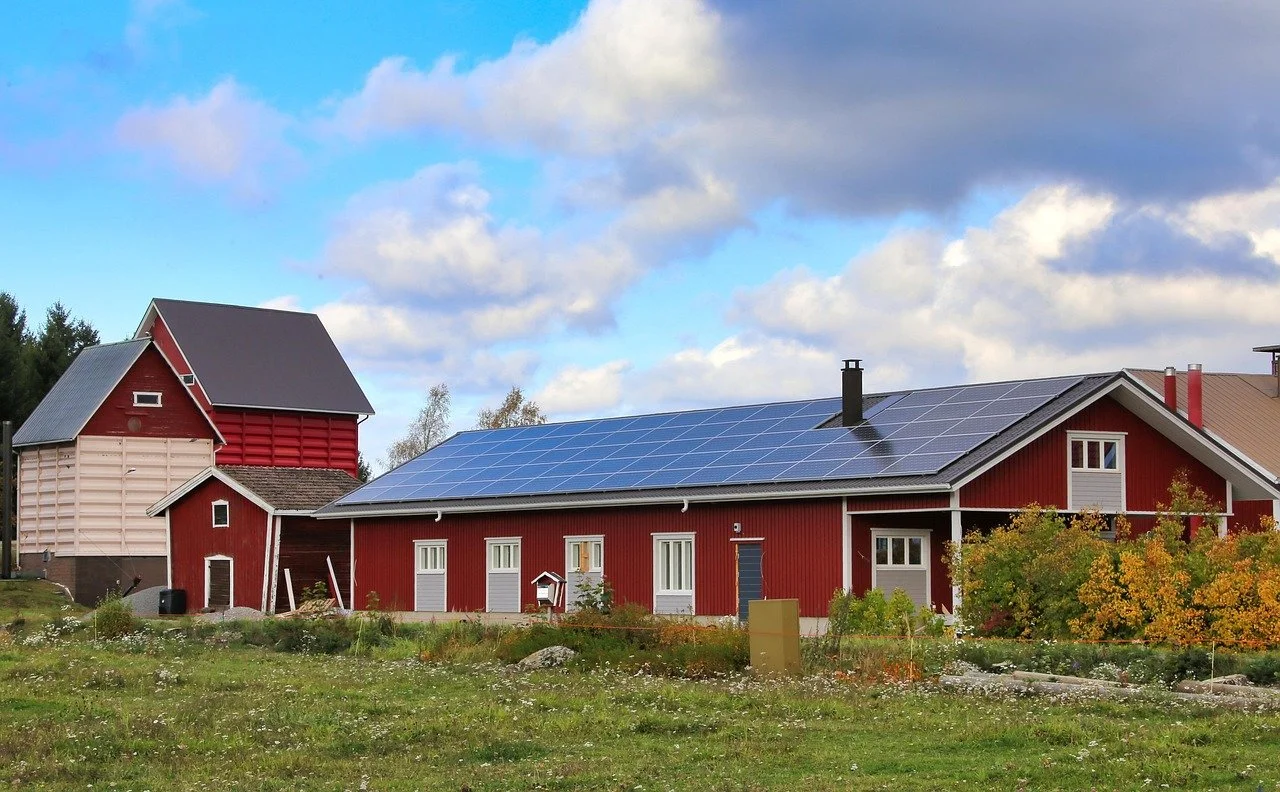
When you factor in the tams grants and the ongoing savings, farm solar panels practically pay for themselves.
Why Solar Makes Sense for Irish Farms
1. Immediate and Long-Term Cost Savings
With agri solar installed, your farm generates its own electricity for 25+ years. Farmers regularly cut daytime electricity bills by 40–80%, depending on the system size and load profile.
Because farms use energy consistently throughout the day, self-consumption rates are high — meaning maximum savings and minimal export loss.
2. Protection Against Rising Energy Prices
Energy inflation is one of the biggest threats to farm profitability. A solar power farm system locks in predictable energy costs and reduces exposure to price spikes.
3. Turn Farm Roofs and Unused Land Into Power Assets
Shed roofs, milking parlours, grain stores, and machinery sheds are ideal for solar panels for farm buildings. Large roof areas mean larger systems and higher savings.
Where space allows, farmers can also install solar panel fields or ground-mounted arrays on low-value land, turning unused areas into long-term cost-saving assets.
4. Higher Grant Support for Farmers (TAMS/TAMS 3)
Farms benefit from grants that other sectors cannot access.
The TAMS 3 – Solar Capital Investment Scheme covers up to 60% of the installation cost, making farm solar far more affordable.
Additional supports include:
SEAI Non-Domestic Microgen Grant, payable per kWp
Accelerated Capital Allowance, allowing 100% tax write-off
Energy Efficiency Loans with lower rates for agri projects
For most farms, TAMS 3 offers the highest overall support. You can apply for either TAMS or SEAI, but not both.
Our free energy assessment will calculate which option gives you the greatest return.
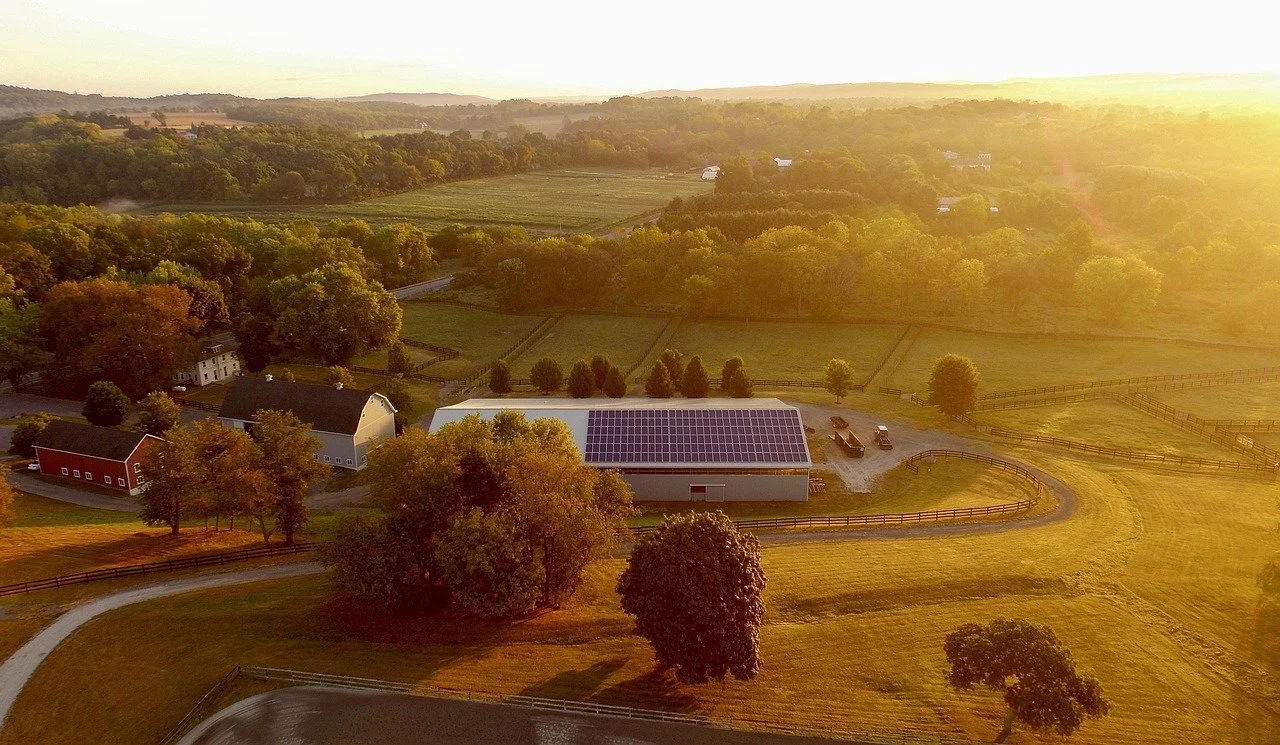
With today’s TAMS grants and substantial cost savings, farm solar panels truly are a no-brainer.
How Much Energy Can a Farm Generate?
Farm buildings often have enough roof space for 20–80 panels or more. Typical annual output for a south-facing shed roof:
20 panels (8.8 kWp): ~7,132 kWh
40 panels (17.6 kWp): ~14,263 kWh
60 panels (26.4 kWp): ~21,395 kWh
80 panels (35.2 kWp): ~28,527 kWh
During your free assessment, we estimate:
Ideal system size
Expected annual output
Solar farm installation cost
Payback time
Grant eligibility (TAMS vs SEAI)
Savings over 20 years
Solar on Farmland: Roof or Ground Mount?
Both options work well:
Roof-Mounted Solar
Lowest cost
Fast installation
Uses non-productive space
Ideal for dairy, tillage, poultry, pig, and mixed farms
Ground-Mounted Solar
Best for sites with limited roof strength or space
Excellent for solar farmland expansion
Ideal for farms thinking about larger solar panel fields
Note: Asbestos roofs cannot be used.
Solar for Farmhouses
You can install solar panels on a farm and connect them to one farmhouse if applying under the Farm Grant.
However, if powering only the house, the domestic SEAI grant may provide better value due to export payments.
VAT Rules for Farm Solar
Commercial/agricultural solar: 13.5% VAT, reclaimable for flat-rate farmers if equipment is Triple E listed
Domestic farmhouse solar: 0% VAT
Mixed-use buildings: charged proportionally
Given the generous TAMS grants and major energy savings, choosing farm solar panels is an easy decision.
The Key Benefits of Agri Solar for Farmers
✔ Lower Operating Costs
Significantly reduce electricity bills and reinvest savings directly into the farm.
✔ Energy Independence
Protect your business from unpredictable energy markets.
✔ Environmental Compliance
Lower your farm’s carbon footprint and prepare for upcoming sustainability regulations.
✔ Strong Grant Support
TAMS 3 supports up to 60% of costs, making payback times shorter and returns stronger.
✔ Increased Long-Term Farm Resilience
Solar helps stabilise costs, improve competitiveness, and support generational farm planning.
How a Farm Solar Project Works (Straight to the Point)
Free Energy Assessment
We gather your energy data and roof details.Initial Solar Proposal
Draft design including output, cost, grants, and payback.Technical Site Survey
Final Proposal & Grant Guidance
Installation & ESB Connection
System Handover
Full monitoring setup explained.One-Year Review
Performance checkup and optimisation.

Adam Rajba | Partnergy Founder
Get Your Free Farm Energy Assessment
This free assessment gives you:
✓ System size recommendation
✓ TAMS / TAMS 3 grant eligibility
✓ SEAI grant comparison
✓ Expected annual savings
✓ Solar farm installation cost
✓ 20-year financial forecast
✓ Roof inspection & layout draft
👉 Click here to get your free assessment (60-second form).
Fast. Accurate. No obligation.