
Why You Should Think Twice About an EDDI Hot Water Diverter
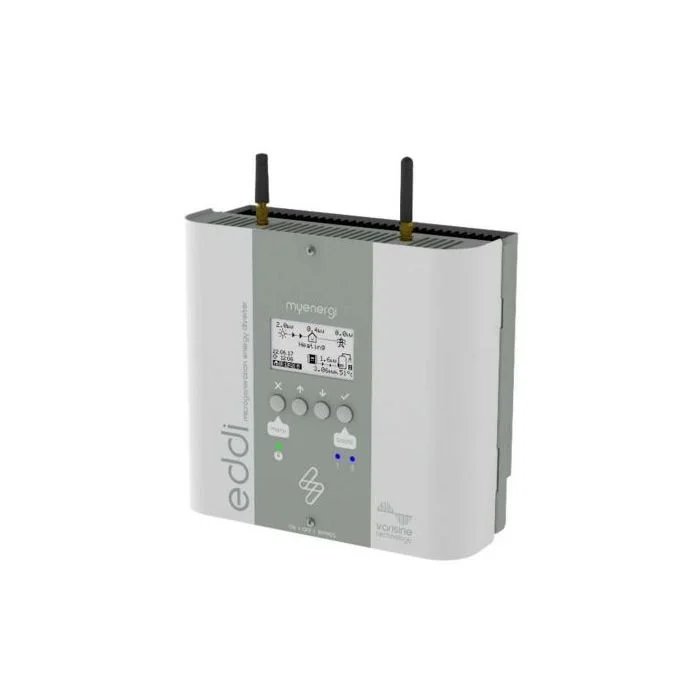
If you’ve been researching ways to get the most out of your solar PV system, you’ve likely come across the EDDI hot water diverter. Marketed as a smart way to use excess solar energy, it promises to heat your hot water automatically when your panels produce surplus electricity. Sounds perfect, right? Unfortunately, reality is often less rosy.
What is an EDDI Hot Water Diverter?
An EDDI immersion controller, also called an EDDI solar immersion controller, is a device designed to divert surplus electricity from your solar panels to heat your hot water. This is also referred to as a solar power diverter to hot water or a solar PV immersion diverter. The idea is simple: instead of exporting extra electricity back to the grid, your solar system heats water in your immersion tank.
Other terms you might see include:
PV diverter for hot water
Immersion solar diverter
Hot water diverter solar
Solar power hot water diverter
But while the concept is appealing, the math doesn’t always add up.
Why Most Homes Don’t Save With a Hot Water Diverter
Here’s the harsh truth for homes using gas or oil heating:
Lost export income – By diverting solar energy to your hot water, you’re often losing out on payments from exporting electricity back to the grid.
Cost of the device – The EDDI hot water diverter, plus installation, can cost around €500 or more.
Immersion tank failures – Most immersion tanks aren’t designed to operate with a hot water diverter. Frequent on-and-off switching can damage the immersion tank controller, and many homeowners report needing repairs after installing a diverter.
Low actual savings – Gas or oil is often cheaper per litre to heat water than the cost of the diverted electricity.
In other words, you could be spending hundreds on a device that doesn’t pay back, while risking costly repairs.

Contact us for a personalised consultation
When a Hot Water Diverter Could Make Sense
There are exceptions:
Fully electric homes, with high daytime consumption.
Households with large hot water needs and significant solar surplus.
Even then, you need to weigh the risk of immersion tank issues against the potential savings.
A Smarter Alternative: Wi-Fi Immersion Timer
Instead of an EDDI solar immersion controller, consider a Wi-Fi timer switch for your immersion heater:
✅ Low cost – Typically around €100, much cheaper than a diverter.
✅ Full control – Schedule your hot water exactly when you need it.
✅ No lost export income – You still benefit from exporting solar energy.
✅ Reduced risk – designed to work safely with any immersion tank = less chance of tank failure.
In most households, a simple Wi-Fi timer offers better savings, reliability, and control than any hot water diverter.
Pros & Cons of an EDDI Hot Water Diverter
Pros:
Automatic heating when solar electricity is available
Can reduce reliance on imported electricity in fully-electric homes
Eco-friendly in theory
Cons:
High upfront cost (~€500)
Minimal financial savings for gas/oil-heated homes
Lost export income
Increased risk of immersion tank failures
Maintenance and repair headaches
Verdict: For most households, an EDDI hot water diverter is not worth it. If you want hot water efficiently, use a Wi-Fi timer instead.

Adam Rajba | Partnergy Founder
Get Your Free Home Solar Energy Assessment
This free assessment gives you:
✓ Recommended solar system size
✓ SEAI grant eligibility
✓ Estimated installation cost
✓ Expected annual electricity savings
✓ 20-year financial forecast
✓ Roof suitability check & layout draft
👉 Click here to get your free assessment (60-second form). Fast. Accurate. No obligation.